
Last Updated: November 24, 2026
Quick Summary
Durable leather puppy gear is built from full-grain or bridle leather, stitched and finished to hold its shape through repeated play sessions and sized for a puppy’s body rather than a generic one-size collar. Leather conforms under tension, resists abrasion from claws and teeth, and can be conditioned back to health instead of thrown away.
- Check that cut edges are burnished, painted, or folded and stitched, never raw and fuzzy.
- Solid brass or stainless steel hardware outlasts plated zinc, which flakes and corrodes.
- Buy a collar with at least two adjustment holes either side of your fit for growth.
- Wipe gear after each session, air dry away from heat, and condition every few months.
- Leather is not a chew toy, so supervise sessions and never leave a collar on an unattended puppy.
Table of Contents
- What makes leather puppy gear worth the investment?
- Leather gear quality checklist: how to spot construction that lasts
- Leather gear fit and sizing for puppies and handlers
- How to clean leather gear without drying it out
- Leather gear storage between sessions and events
- Weather, water, and salt: what leather puppy gear can handle
- Leather safety, chewing, and supervised use
- Matching gear to your puppy play stage and activity
- Get fitted for leather puppy gear in Amsterdam
- Frequently Asked Questions
What makes leather puppy gear worth the investment?
Durable leather puppy gear is equipment built from full-grain or bridle leather, stitched and finished so it holds its shape through repeated play sessions, and sized for a puppy’s body rather than a generic one-size collar.
The math is simple. A collar that stretches, cracks at the buckle, or loses its shape after a few months costs you again and again. A well-made leather collar ages into something that fits better than it did on day one, developing a patina that no synthetic strap can imitate.
Leather earns its place because it does three things synthetic gear struggles with. It conforms to the body under tension, it resists abrasion from claws and teeth, and it can be conditioned back to health instead of thrown away. That last point matters more than most buyers realise: leather care guidance from the Leather Research Laboratory at the University of Cincinnati explains how proper conditioning extends the working life of finished leather considerably.
Below, we’ll walk through what separates good leather from bad, how to fit it to a growing puppy, and how to keep it alive for years.
Leather gear quality checklist: how to spot construction that lasts
Start with the cut edge. A quality piece has edges that are burnished, painted, or folded and stitched, never raw and fuzzy. Raw edges wick moisture and fray within months.
Then check the stitching. Look for even, tight stitches set back from the edge, ideally in a locked or saddle stitch. Loose, wide-spaced machine stitching is the first thing to fail under load.
Hardware tells you the rest. Solid brass or stainless steel buckles and D-rings outlast plated zinc, which flakes and corrodes. Give every rivet a twist; a spinning rivet is a future failure point.
Leather types and what each one is good for
Full-grain leather keeps the entire grain layer and is the most durable option for collars and harnesses. Bridle leather is vegetable-tanned and finished on both sides, which makes it stiff at first and exceptionally strong once broken in. Latigo leather is chrome-tanned and heavily oiled, so it handles moisture and flexing better than most, which suits leashes and cuffs. Harness leather sits between bridle and latigo: tough, slightly supple, and built for load-bearing straps.
For a first leather collar, bridle or harness leather is the safer choice. For anything that will get wet or flex constantly, latigo wins.
Hardware, stitching, and edge finishing
Solid brass hardware develops a dull patina and keeps working; plated hardware looks bright until it doesn’t. Ask whether the buckle is cast or stamped. Cast hardware is thicker and resists bending under a pulling puppy.
Stitching should be synthetic thread, not cotton, which rots. Edge finishing separates a piece that lasts five years from one that lasts five months. If you want to see what these markers look like on a finished piece, our Mr S Leather Hardline Bulldog Harness Lime shows the burnished edges, solid hardware, and reinforced stitching we look for.
Inspecting for wear and corrosion
A quality piece still needs inspection. Once a month, check the hardware for green or white corrosion, especially around rivets and buckle tongues. Corrosion on plated hardware means the plating has failed and the base metal is exposed; on solid brass, a dull patina is normal, but green crust indicates moisture trapped against the leather.
Run your thumb along the stitching. Loose or frayed threads at the buckle end are the first sign of strain. Flex the strap at the adjustment holes, if the leather cracks or the holes have stretched into ovals, the piece is nearing the end of its working life.
Watch out: a rivet that spins freely or a buckle that bends under hand pressure is a failure waiting to happen. Retire any piece with a compromised strap, because a collar that snaps under load is a genuine safety problem.
Leather gear fit and sizing for puppies and handlers
Fit is where most gear fails, and it’s the reason we insist on measuring rather than guessing. A collar that’s too loose slips over the head; one that’s too tight restricts breathing and rubs the throat raw. But with a puppy, fit is a moving target, the measurement you take this month may be wrong by next month, so the goal is gear with enough adjustment range to grow with the dog.
Measure the neck at its widest point with a soft tape, then add two fingers of slack for a growing puppy. Recheck every few weeks: puppies grow fast, and a collar that fit in spring may bind by summer.
Sizing a collar for a growing puppy
Take the neck measurement, add roughly a finger’s width of breathing room, and buy a collar with at least two adjustment holes either side of your fit. That gives you room to grow without rebuying. A collar with only one hole either side of your measurement will be outgrown in weeks.
Watch for these fit signals:
- Two fingers slide under the collar but not three
- The collar sits high on the neck, not dangling at the shoulders
- No hair is rubbed away at the throat after a session
- The ID tag hangs clear of the buckle
Growth checks and when to replace outgrown gear
A puppy’s neck can gain noticeable circumference in a matter of weeks, so build a growth check into your routine. Once a month, slide two fingers under the collar; if you can fit three easily, the collar is too loose and should be tightened or replaced. If the collar leaves a red mark or the puppy scratches at it, it’s too tight.
Replace gear when the adjustment holes no longer give you a safe fit, not when the leather wears out. A collar that was correctly sized at eight weeks may be unsafe by sixteen. The same logic applies to cuffs and harnesses: check the strap length against the puppy’s current measurements, and retire any piece where the buckle sits at the very end of the strap.
Fitting a hood, harness, and cuffs
Hoods need a head circumference and a chin-to-crown measurement; a hood that pinches the temples will be unbearable within minutes. Harnesses should distribute load across the chest, not the throat, so check that the chest strap sits flat when the puppy pulls. Cuffs need wrist circumference plus enough width that the strap doesn’t dig.
For paws specifically, an open-paw design lets the puppy use their hands while keeping the look intact. Our Mr S Leather Open Paw Puppy Glove White is a good example of how a glove should sit at the wrist and knuckles.
How to clean leather gear without drying it out
Cleaning leather gear means removing surface dirt with a barely damp soft cloth, letting it air dry away from heat, and then reapplying a leather conditioner once the leather is fully dry. Skip the conditioner and the leather dries, cracks, and stiffens.
Never soak leather. Never scrub it with detergent. Never dry it on a radiator or with a hairdryer, because heat drives out the oils that keep the fibres flexible.
A simple routine works for most gear:
- Wipe down with a soft cloth after each session
- Spot clean marks with a damp cloth and mild saddle soap
- Air dry at room temperature, away from sunlight
- Condition every few months, or after any wet session
- Buff off excess conditioner with a clean cloth
Cleaning neoprene and coated gear
Neoprene and coated materials are easier: rinse with cool water, wipe with a mild soap solution, and hang to dry completely before storage. The trap is storing them damp, which breeds mildew in the seams. Coated gear like Biothane wipes clean and needs no conditioning at all, which is why some handlers keep a coated leash for wet weather and reserve leather for dry events.
Leather gear storage between sessions and events
Store leather gear hanging or rolled, never folded tight or crushed under other equipment. Creases become cracks over time, and a collar folded in a bag for months will show a permanent bend.
Keep gear out of direct sunlight and away from radiators. UV fades dye and dries leather; heat does the same faster. A breathable cotton bag beats a sealed plastic box, which traps moisture and invites mildew.
Between events like Wasteland or Darklands, give everything a wipe, a condition, and a check of the hardware before it goes away. Ten minutes now saves a replacement later. If you’re building a kit from scratch, our guide to leathergear alternatives for puppy play gear that lasts covers how leather compares with other materials over the long run.
Weather, water, and salt: what leather puppy gear can handle
Leather handles rain and sweat far worse than most buyers expect. A splash is fine; a soaking is not. Water swells the fibres, and salt from sweat or sea air pulls moisture out as it dries, leaving the leather stiff and prone to cracking.
If gear gets wet, blot it, air dry it slowly, and condition it once dry. Never force-dry it. For beach sessions or outdoor summer events, coated or synthetic gear is the smarter pick, and leather stays for indoor play.
Salt is the quiet killer. A collar worn against sweaty skin through a long event will stiffen within days if it isn’t wiped and conditioned afterwards. Treat salt exposure as a prompt to clean, not something to deal with later.
Leather safety, chewing, and supervised use
Leather puppy gear is safe when it fits correctly and is used under supervision, and it is not a chew toy. Puppies chew (Puppy care: how to look after a puppy – RSPCA). That’s not a flaw in the gear, it’s a fact of the animal, and leather loses to teeth every time.
Supervise any session where the puppy is mouthing, tugging, or rolling. Check straps and stitching after every heavy session for nicks, stretched holes, or loose rivets. Retire any piece with a compromised strap, because a collar that snaps under load is a genuine safety problem.
Watch out: leaving a leather collar on an unattended puppy is the most common way gear gets destroyed, and a chewed-through strap can become a choking hazard.
If you want a collar built to take restrained use, our Mr. S Leather Hardline Collar Purple is the kind of piece we’d point you toward: solid hardware, reinforced stitching, and a fit that stays put.
Matching gear to your puppy play stage and activity
New puppies need less gear than they think. A collar, a leash, and a hood are enough to start; cuffs, tails, and harnesses come once you know what kind of play you actually enjoy.
Ask yourself what the session looks like before you buy. Heavy tugging and wrestling call for bridle leather and solid hardware. Light, social play suits softer leather and lighter cuffs. Events with a lot of movement reward gear that stays put without constant adjusting.
If you’re unsure where you sit on that path, our Puppy Play – The puppy’s path walks through the stages and what gear fits each one. Buying in that order saves money and avoids a drawer full of pieces you never use.
Get fitted for leather puppy gear in Amsterdam
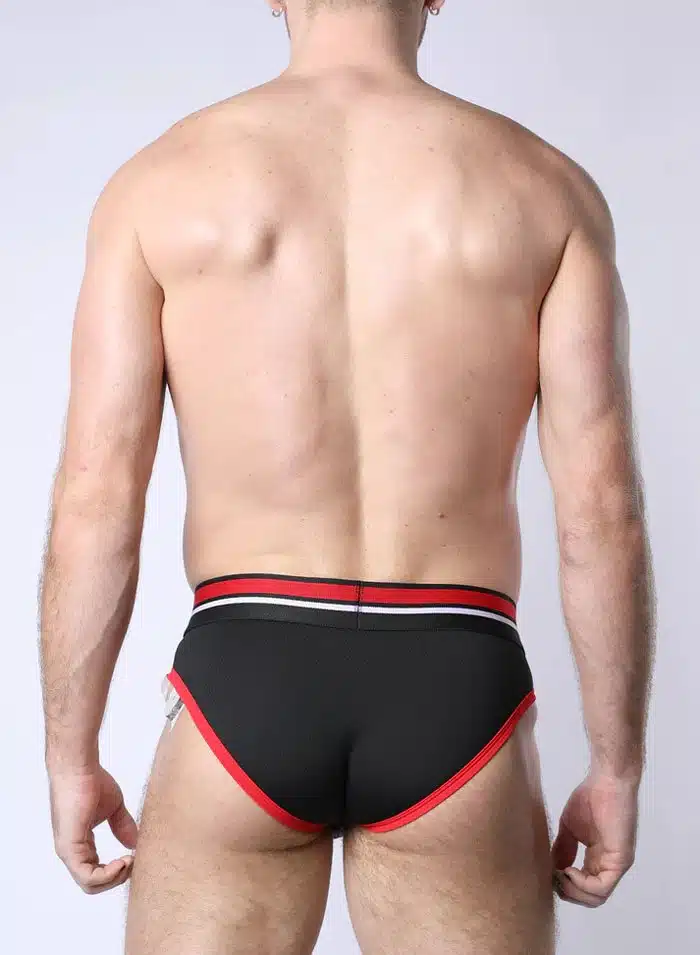
Measurements on a screen only go so far. Leather behaves differently on the body than on a sizing chart, and a proper fitting catches the things a tape measure misses: how a collar sits when the puppy tilts their head, whether a hood pinches at the brow, whether a cuff rotates under tension.
Underground Fetish sits in the centre of Amsterdam, five minutes from Central Station. Our staff provide professional fittings and personalised advice, and we carry a large selection of Mr. S Leather products. Beginners are welcome.
Buying durable leather puppy gear is mostly a matter of knowing what to look for and refusing to guess on fit. Underground Fetish offers expert staff who provide professional fittings, a curated range of high-quality fetish gear, and a welcoming shopping environment.
Frequently Asked Questions
What are the essential pieces of leather puppy gear for a beginner?
Start with a well-fitted collar and a sturdy leash, then add a hood and a pair of cuffs as your play develops. A starter kit should include an ID tag for the collar, a soft cloth for spot cleaning, and a leather conditioner. At Underground Fetish, staff help beginners choose pieces that match the experience they want, so you are not buying gear you will outgrow or rarely use.
What type of leather is best for puppy collars and leads?
Full-grain and bridle leather are the most durable choices for collars and leads because the tight grain resists stretching and surface wear. Latigo leather is a good option for leads that need flexibility and a firm grip. Avoid split leather or bonded leather, which can crack and peel with regular use. Check that the edges are burnished or stitched and that the hardware is solid brass or stainless steel.
How can you tell whether leather puppy gear is well made?
Use a leather gear quality checklist: look for tight, even stitching, edges that are finished rather than raw, and hardware that feels solid with no sharp edges. Bend the leather; it should flex without cracking or showing a plastic-like sheen. Full-grain and bridle leather age with a patina instead of flaking. Ask about the tannery and the type of leather, because traceability is a reliable sign of quality.
How do you clean leather puppy gear safely?
Wipe leather with a damp soft cloth and a small amount of mild soap, then let it air dry away from direct heat. Do not soak leather or use alcohol-based cleaners. Apply a leather conditioner sparingly after cleaning to keep the material supple. For neoprene and coated gear, rinse with cool water and mild soap, then dry fully before storage. Clean after heavy use and condition every few months.
How should leather puppy gear be stored between uses?
Store leather gear in a cool, dry place away from sunlight and radiators. Hang collars and leads or roll them loosely rather than folding them sharply. Use a breathable cotton bag rather than sealed plastic, which traps moisture. Keep gear away from damp basement air and from direct contact with other materials that can transfer dye. Proper leather gear storage prevents mould, cracking, and hardware corrosion.
How do you choose the right fit for a leather puppy hood or collar?
Measure the neck at the widest point with a soft tape and add two fingers of slack for a collar. For a hood, measure head circumference, neck circumference, and the distance from brow to chin. A proper fit leaves no deep pressure marks and does not restrict breathing or vision. Puppies grow, so choose adjustable collars and check the fit every few weeks. In-person fitting at a specialist shop removes the guesswork.
